Word Choice5 Min Read Maya CollinsonSeptember 28, 2026 Inclosed or Enclosed: Which Is Correct in US English Today? If you have seen both inclosed and enclosed, the difference can look like a spelling mistake. Both forms express the basic idea of putting something…
6 Min Read Maya CollinsonSeptember 28, 2026 Up to Date or Up-to-Date: Which Is Correct in US English? Up to date and up-to-date are both correct in American English. The… Word Choice
7 Min Read Maya CollinsonSeptember 28, 2026 Impler vs More Simple: Which Is Correct in American English? The comparison between impler and more simple can be confusing because… Word Choice
8 Min Read Maya CollinsonSeptember 28, 2026 Tweek vs Tweak: Which Spelling Is Correct in US English? If you are choosing between tweek and tweak in ordinary US English, use… Word Choice
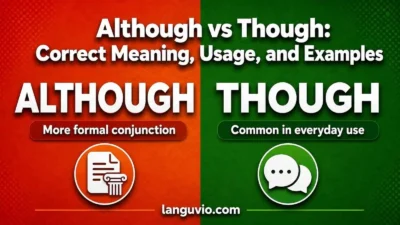
Word Choice8 Min Read Maya CollinsonJuly 5, 2026 Although vs Though: Correct Meaning, Usage, and Examples Although and though are both correct words, and they often mean the same thing. Both can introduce a contrast between two ideas, as in… Discover More
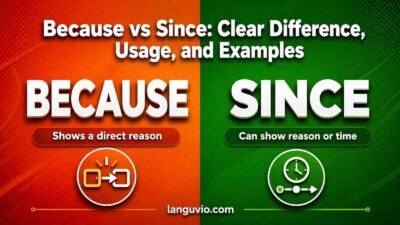
Word Choice8 Min Read Maya CollinsonJuly 5, 2026 Because vs Since: Clear Difference, Usage, and Examples Because vs since can be confusing because both words can introduce a reason. You can say, “I stayed home because I was sick” or “I stayed home… Discover More
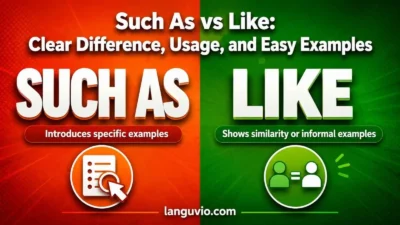
Word Choice8 Min Read Maya CollinsonJuly 4, 2026 Such As vs Like: Clear Difference, Usage, and Easy Examples Such as and like are both correct, but they do not always mean the same thing. The best choice depends on whether you are naming real examples… Discover More
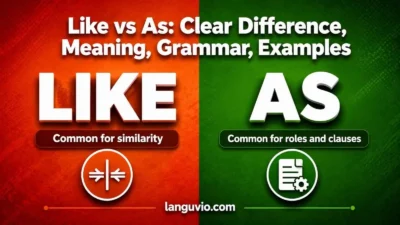
Word Choice9 Min Read Maya CollinsonJuly 4, 2026 Like vs As: Clear Difference, Meaning, Grammar, Examples Like vs as can be confusing because both words can compare things. You may hear “She sings like a pro” and “Sing as I showed you,” and both… Discover More
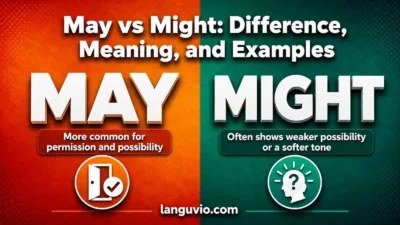
Word Choice10 Min Read Maya CollinsonJuly 4, 2026 May vs Might: Difference, Meaning, and Examples May vs might can be tricky because both words often talk about possibility. You can say, “It may rain later” or “It might rain later,” and… Discover More
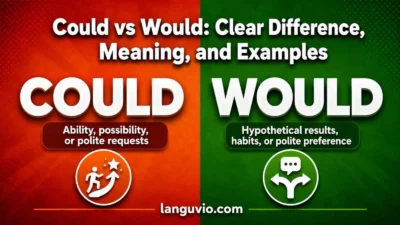
Word Choice9 Min Read Maya CollinsonJuly 3, 2026 Could vs Would: Clear Difference, Meaning, and Examples Could and would are both common modal verbs, so they often appear in similar sentence patterns. That is why they can confuse even strong… Discover More
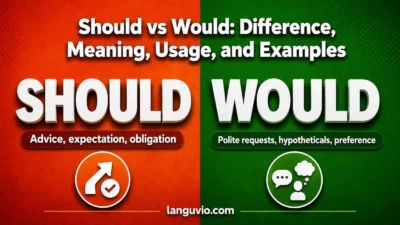
Word Choice10 Min Read Maya CollinsonJuly 3, 2026 Should vs Would: Difference, Meaning, Usage, and Examples Should and would are both correct words, but they do different jobs. The right choice depends on what you mean. Use should when you mean… Discover More
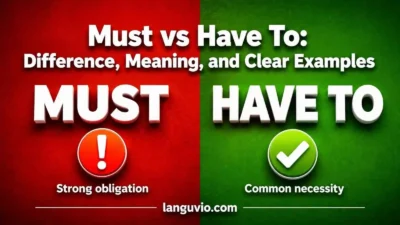
Word Choice8 Min Read Maya CollinsonJuly 2, 2026 Must vs Have To: Difference, Meaning, and Clear Examples Must vs have to can be confusing because both phrases show that something is necessary. In many sentences, they seem close in meaning. For… Discover More
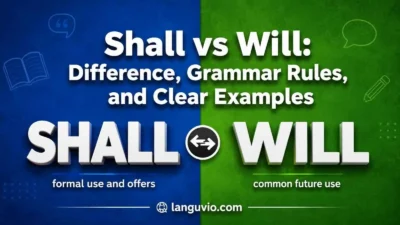
Word Choice8 Min Read Maya CollinsonJuly 2, 2026 Shall vs Will: Difference, Grammar Rules, and Clear Examples Shall vs will can confuse writers because both words can point to the future. You may see “I shall call you tomorrow” and “I will call you… Discover More
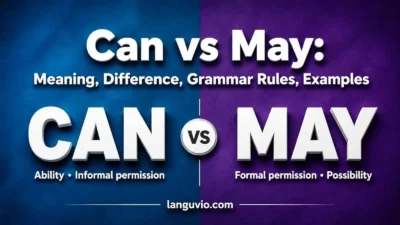
Word Choice9 Min Read Maya CollinsonJuly 2, 2026 Can vs May: Meaning, Difference, Grammar Rules, Examples Can vs may is confusing because both words can ask or give permission. Many people learned the old classroom correction: “Can I go?” asks… Discover More